By Kat Osorio When was the last time you or someone you know said, “I’m so stressed” or “I don’t know how to relax.” Probably not too long ago, because chronic stress is a given for many people in our modern society. It’s associated with increased inflammation in the body, which can then progress to conditions like heart disease, diabetes, and hypertension. Managing your stress levels is key to maintaining lower levels of inflammation and an overall healthy state of being. Meditation comes to mind when thinking about stress management, and for some that may be sufficient. However, in order
Read More
Archives for Blog
How spices can lower inflammation
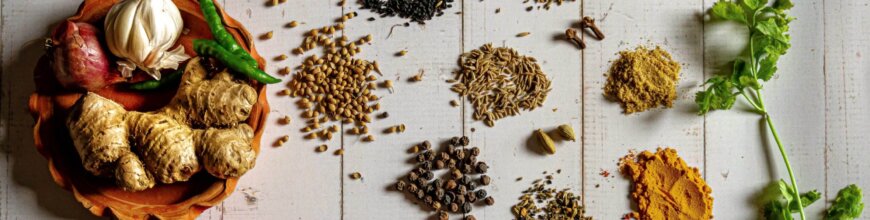
By Kat Osorio When one thinks of anti-inflammatory spices, turmeric is usually the one that comes to mind. While there is plenty of research that supports turmeric’s anti-inflammatory mechanisms, this king of spices holds court with a multitude of royals that are also helpful for reducing inflammation in the body. If you experience health conditions caused by inflammation, you may want to consider adding some of these spices into your daily diet. Warming spices, such as cinnamon and ginger, have anti-inflammatory properties that can help to reduce joint pain and other discomforts. Cinnamon contains the compounds cinnamaldehyde and cinnamic acid,
Read More
Formula for a nutritious meal
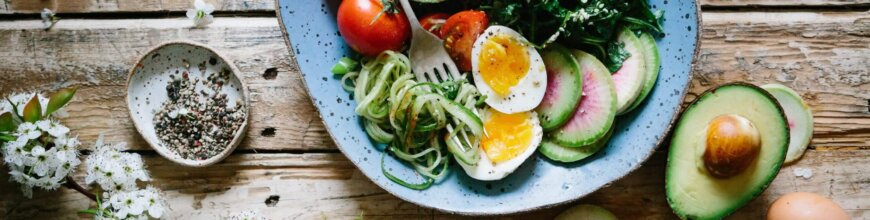
By Kat Osorio It can be overwhelming deciding what to eat. We receive countless messages from all different directions on a daily basis- messages telling us which foods are “super,” what diet you should follow if you want to live forever, and exactly how many grams of protein you should eat for a trim physique, among other things. I tend to listen to these messages with a grain of salt, because everyone is different so there is no one-size-fits-all approach to nutrition. Instead, I recommend putting a meal together using components from different categories, almost like a salad bar. Choose
Read More
Enjoying Your Healthy Lifestyle
By Kat Osorio “I don’t want to make healthy changes to my diet because that means I won’t enjoy my food anymore.” This is a sentiment I’m sure that many of us can identify with, but that doesn’t mean that it has to be true. In fact, you can have your almond flour cake and eat it too! Let’s chat about how. Balance is integral for the success of any healthy lifestyle change. Taking the time to plan out your meals and shop for the ingredients ahead of time insures that you will have healthy options on hand and be
Read More
What should I avoid if I want to reduce inflammation?
By Kat Osorio Inflammation is an inevitable part of being human, and it’s not necessarily a bad thing. When our bodies are sick or injured, a little bit of inflammation is what we need to heal and repair. It’s when inflammation gets out of check and becomes chronic that we need to take a closer look at our lifestyles for factors that are known to cause inflammation. Processed foods: Foods that come in a box or bagcontain additives, fillers, and artificial substances that can cause increased levels of inflammation in the body, such as colorings, flavorings, and preservatives. Foods that
Read More
Traumatic Brain Injury in Amateur and Professional Athletes
The idea of getting injuries seems par for the course in athletics, but our common idea of the depth of injury may be more desensitized than we think. Athletes, both amateur and professional, are subjected to a substantial amount of risk. One of the worst cases is a Traumatic Brain Injuries (TBI). The risk for this is very real in any rigorous athletic pursuits, but is heightened in contact sports. It is no simple matter, either, as TBI is considered a major cause of death and disability in the United States. The American Association of Neurological Surgeons (AANS) notes that
Read More
Covid’s Lasting Effects Deserve Rigorous Study
The risks of over-diagnosing a syndrome are real, but that does not mean that the syndrome does not exist. Jeremy Devine declares that “long Covid” and some other illnesses, such as chronic fatigue syndrome, are not biological disorders, but are psychological, psychosomatic diseases, and mislabeled manifestations of depression or anxiety (“The Dubious Origins of Long Covid,” op-ed, March 23). His clean distinction between psycho and somatic betrays an inaccurate conceptualization. Physicians understand that psychiatric illnesses, including schizophrenia, major depression and others, are usually associated with biological markers, such as inflammatory responses, disrupted neural pathways and neurotransmitter distinctions. Dr. Devine declares
Read More
Breakthrough in a young man’s case
POST-COVID-19 Syndrome
A recent Wall Street Journal article highlighted what some people (possibly more women than men) are experiencing after they recovered from the acute COVID-19 illness. The symptoms, which may be relapsing and remitting, are similar to dysautonomia, chronic fatigue syndrome–also called myologic encephalitis [ME], or chronic fatigue immune dysfunction [CFID]– (severe fatigue, brain fog, exercise intolerance, rapid heart rate, inflammation) and can also include recurrences of the original illness such as numbness, gastrointestinal illness, headache, breathing issues, and markedly reduced endurance. While some physicians are attributing these symptoms to anxiety or depression, we believe that is not likely, except to the
Read More