

Why Nature Is Medicine: What Dr. Marc Berman’s Nature and the Mind Means for Psychiatric Care
By Robert J. Hedaya, MD, DLFAPA Founder, Whole Psychiatry & Brain Recovery Center
At Whole Psychiatry, we have always believed that the brain cannot be treated in isolation from the body — or from the environment that shapes it. That’s why I was so struck by Dr. Marc Berman’s recently published book, Nature and the Mind: The Science of How Nature Improves Cognitive, Physical, and Social Well-Being. For those of us practicing functional and integrative psychiatry, this book is not a revelation so much as a rigorous scientific confirmation of what we have long suspected: our relationship with the natural world is not a luxury — it is a biological necessity.
Dr. Berman is a professor of psychology at the University of Chicago and the founder of the field of environmental neuroscience. His life’s work has been to understand how the environments we inhabit shape our brains, our moods, and our capacity to function. What he presents in this book is both humbling and hopeful.
The Attention Crisis at the Root of Mental Suffering
One of the most clinically important ideas in the book is the concept of directed attention fatigue. Berman builds on the foundational work of psychologists Rachel and Stephen Kaplan, whose Attention Restoration Theory proposed that the modern world — with its relentless stream of alerts, screens, deadlines, and demands — chronically depletes the brain’s capacity for focused, volitional attention. The result is a nervous system that is perpetually overtaxed: distracted, impulsive, emotionally dysregulated, and exhausted.
This resonates deeply with what I see in my patients every day. Many of them arrive carrying diagnoses of depression, anxiety, ADHD, or treatment-resistant mood disorders, but underneath those diagnoses is a nervous system that has simply lost its capacity to restore itself. The conventional psychiatric model reaches for medication first. I have always believed we need to go deeper — and Berman’s work gives us another important lever to pull.
What Nature Actually Does to the Brain
 Berman and colleagues conducted a landmark study in which participants took a short walk either through a downtown urban environment or through a natural setting. Those who walked in nature showed measurable improvements in working memory and attention. In subsequent research, participants with clinical depression who walked in nature showed even greater cognitive gains — after just one walk.
Short walks in nature have been shown to improve attention by nearly 20 percent and reduce symptoms of depression. These are not trivial effects. They reflect real neurobiological changes — shifts in stress hormone levels, autonomic nervous system tone, and the brain’s capacity to recover from sustained cognitive effort.
What I find particularly important — and practically useful for my patients — is that you don’t even have to enjoy the experience to receive the benefits. Berman’s early research found the same memory and attention improvements with a walk in January cold as with a pleasant summer stroll. The mechanism is not mood-dependent. It is physiological. This matters enormously for patients with anhedonia or treatment resistance, who may feel disconnected from any experience of pleasure or relief.
Soft Fascination: Nature’s Neurological Gift
The theoretical framework Berman uses to explain nature’s effects is elegant. Natural environments — the sound of water, the movement of leaves, the shifting quality of light — engage what the Kaplans called “soft fascination.” Unlike manmade signals that commandeer our attention, natural stimuli allow the mind to wander while still remaining gently engaged — creating the neurological conditions for directed attention to replenish itself.
This is essentially a form of passive restoration. The brain is allowed to stop effortfully attending, and in that space, it heals. For patients who have been in chronic states of hypervigilance, rumination, or stress-driven over-arousal, this is not a metaphor. It is a measurable biological process.
Nature as a Social and Systemic Medicine
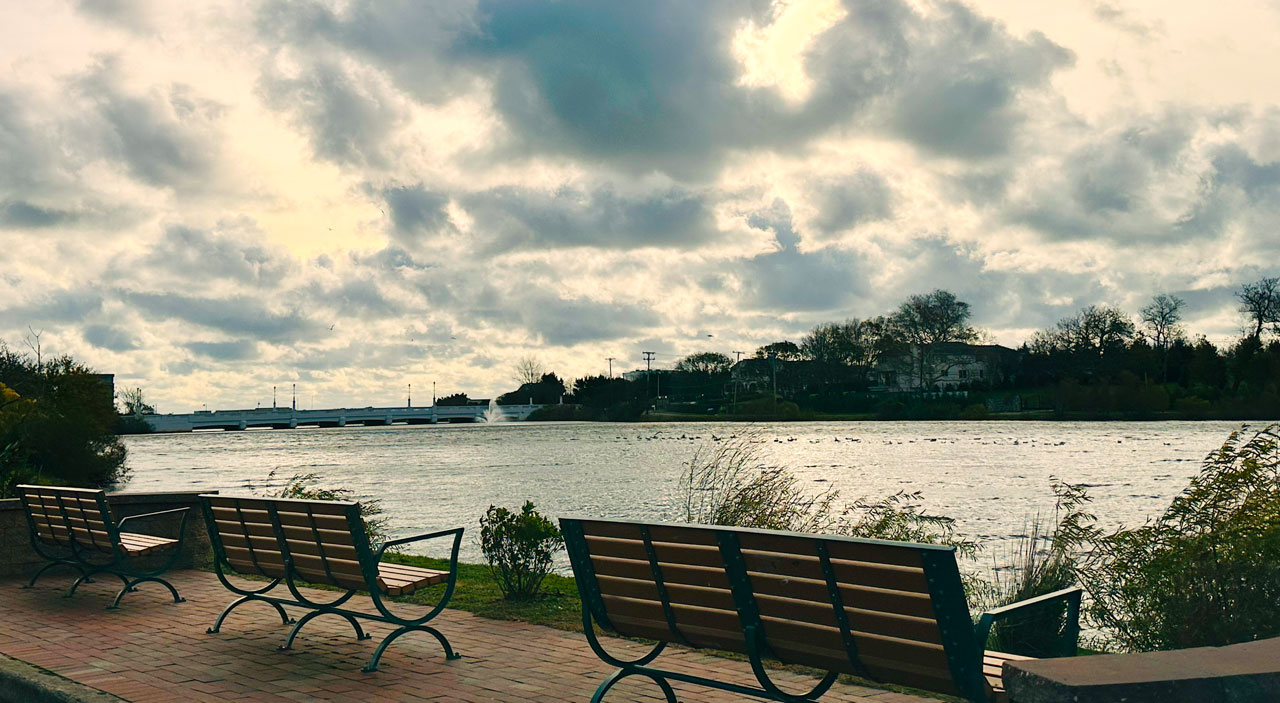 Berman’s work extends beyond individual brain health into territory that I believe every clinician — and every health system — should be paying attention to. Neighborhoods where people visit parks more often show lower rates of crime, even when controlling for age, education, ethnicity, and other variables. More green space around schools correlates with better academic performance and improved working memory in children. Simply having eleven more trees on your street is associated with reduced rates of cardiometabolic disorders, including stroke, diabetes, and heart disease.
These findings are not incidental. They point toward a profound truth that integrative medicine has long held: health is not generated in a clinic. It is generated — or undermined — by the cumulative conditions of a person’s daily life. Nature is one of those conditions, and we have systematically stripped it from the environments where most people now live and work.
Practical Implications for Our Patients
At Whole Psychiatry, our comprehensive evaluations look at every system that influences brain function — from genetics, nutrition, and hormones to inflammation, gut health, and sleep. Berman’s work invites us to add another dimension to that map: the restorative or depleting quality of a patient’s daily environment.
The good news — and Berman is emphatic about this — is that meaningful nature exposure does not require a weekend retreat or a relocation to the countryside. Houseplants, photographs of nature, and nature sounds can all confer cognitive benefits. The prescription can begin immediately, wherever the patient is.
For many of our patients who are treatment-resistant or who have not responded fully to conventional approaches, I see this as an important and underutilized layer of treatment. Walking in a park is not a replacement for the rigorous biological and psychological work we do together — but it is a meaningful, zero-cost, zero-side-effect adjunct that we should be actively prescribing.
A Book Worth Reading
I recommend Nature and the Mind to patients, to fellow clinicians, and to anyone trying to understand why so many people in our modern world feel chronically depleted in ways that don’t fully respond to the usual interventions. Dr. Berman writes with intellectual rigor and genuine accessibility. He makes a compelling case that the natural world is not backdrop to human health — it is an active ingredient in it. We look forward to seeing you out in nature!