
Katherine Morris, Ph.D.
New Patient Coordinator, The Whole Psychiatry & Brain Recovery Center
Depth Psychologist · IFS Therapist · Psychoecologist
Dr. Katherine Morris is a psychologist with decades of experience and training at the intersection of depth psychology, the inner life, and the environments where that inner life is lived. Clients often describe feeling genuinely heard in a way that allows them to access parts of themselves they haven’t been able to reach before.
Her work is grounded in the conviction that real psychological healing requires attending to the whole person: the inner system, the history that shaped it, and the world it inhabits.
Dr. Morris brings both professional training and personal experience to her work. She has trained in Jungian analysis and IFS and has done her own work as a client in both — something she considers essential, not incidental. She believes that practitioners who have sat in the client chair bring a quality of understanding to the work that cannot be acquired any other way.
Her clinical background spans the full range of human difficulty. She has worked in a rape crisis center and carries a deep understanding of trauma, violation, and the particular kind of courage that recovery requires. She also has extensive experience with 12-step recovery — understanding from the inside the culture, the language, and the spiritual dimensions. Clients navigating addiction and recovery, or the people who love them, will find a someone who knows this territory without judgment.
Approach
Internal Family Systems (IFS) Therapy Dr. Morris uses IFS as her primary lens — working with the parts of the psyche that carry pain, the parts that protect against it, and the calm center of Self that can hold all of it. Her approach is unhurried, precise, and deeply respectful of the inner system’s own pace and wisdom.
Ketamine-Assisted Psychotherapy (KAP) She offers carefully guided KAP for clients ready for a deeper opening into the therapeutic process. She brings extensive experience to the preparation, session support, and integration that make this work both safe and meaningful.
Bibliotherapy For clients who think and feel through language, Dr. Morris incorporates the therapeutic use of literature and curated reading as a pathway into self-understanding — a doorway into the inner life that is often more accessible than direct exploration.
AI and Therapy Dr. Morris helps clients use artificial intelligence to explore their psychological issues.
Psychoecology
Dr. Morris is the founder of Psychoecology — a clinical framework exploring how the spaces we live and work in shape psychological and physiological life.
The home we return to each evening, the office where we spend our days, the rooms we avoid and the ones we linger in — none of these are neutral. They affect mood, focus, sleep, and the capacity to relax. They shape how we relate to the people around us. They contain pressures that register in the nervous system before the mind has named them.
Some of this is ergonomic — the physical demands a space places on the body over time. Some is unconscious — the triggers embedded in arrangement, proportion, and the objects a space holds. Some is energetic — the quality a room carries, how it feels to be in it, what it allows and what it closes down.
Spaces also carry what might be called a persona — a designed identity, often imposed by institution, convention, or someone else’s psychology entirely. The office where windows don’t open. The home arranged for guests rather than the people living in it. The workspace optimized for productivity and stripped of everything that makes sustained human presence bearable. These persona-based spaces generate their own shadow: behavioral deficits, chronic low-grade stress, the suppression of the very qualities — creativity, ease, genuine connection — that the people in them most need to function well.
Interoception
Dr. Morris incorporates interoceptive awareness as a core element of her client work. Interoception is the nervous system’s capacity to sense and interpret signals arising from within the body and is the foundation of emotional awareness, self-regulation, and the felt sense of being present in one’s own life.
Many people arrive in therapy having spent years learning to override or ignore these inner signals. The body has been speaking; they have learned not to hear it. Dr. Morris works with clients to gently restore that channel and notice what is happening internally, to become curious rather than alarmed, by this reliable source of information.
Interoceptive awareness connects directly to IFS parts work, to the processing of trauma and addiction, and to the Psychoecology framework: the body is always already registering what a space is doing to it. Listening to the body, is a learnable and immediately useful skill. Dr. Morris invites clients to step into their bedroom, pause, and do a body scan. What’s arising? Tummy tight? Shoulders relaxed? Eyes focused or scanning? Don’t move until you’ve listened well. This simple technique works for any space you are in.
The Spatial Audit
The Spatial Audit is Dr. Morris’s structured approach to understanding what a space is doing — to the people who live in it, work in it, and move through it. Drawing on depth psychology, IFS, environmental neuroscience, and the spatial wisdom of feng shui, a Spatial Audit examines a home or workspace through a psychological and physiological lens.
It looks at:
- Ergonomic factors — how the physical configuration of a space affects the body, attention, and energy over time
- Unconscious drivers and triggers — the arrangements, objects, proportions, and sensory conditions that activate psychological patterns below awareness
- Behavioral deficits — what the space is making difficult or impossible: rest, focus, genuine encounter, creative thought, the ability to feel at ease
- Persona and shadow — the identity a space projects, and the psychological cost that identity imposes on those who inhabit it
- Energetic qualities — the felt character of a space, what it amplifies, what it suppresses, and what it would need to become more fully alive
The audit produces specific, actionable recommendations — not aesthetic suggestions, but psychologically grounded interventions aimed at bringing the environment into alignment with the wellbeing of the people in it.
Dr. Morris incorporates spatial assessment alongside her therapy work, attending to the environments her clients inhabit as carefully as the histories they carry.
New Patient Coordinator
Dr. Morris serves as New Patient Coordinator for The Whole Psychiatry & Brain Recovery Center. She looks forward to speaking with new patients and helping them find the right therapeutic approach for their healing journey.
Reaching out for help can feel vulnerable, and Dr. Morris understands that taking this first step often requires courage. When you contact Whole Psychiatry, she is here to listen to your story with genuine care and without judgment. She takes time to understand what you’re experiencing, what you’re hoping for, and what kind of support would feel most helpful to you.
Whether you’re navigating difficult emotions, seeking healing from past trauma, struggling with addiction, or simply feeling stuck, Dr. Morris will help you feel heard, respected, and supported from your very first conversation. Her warm, compassionate approach ensures that you’ll feel cared for as you explore the therapeutic options that align with your unique needs and goals.
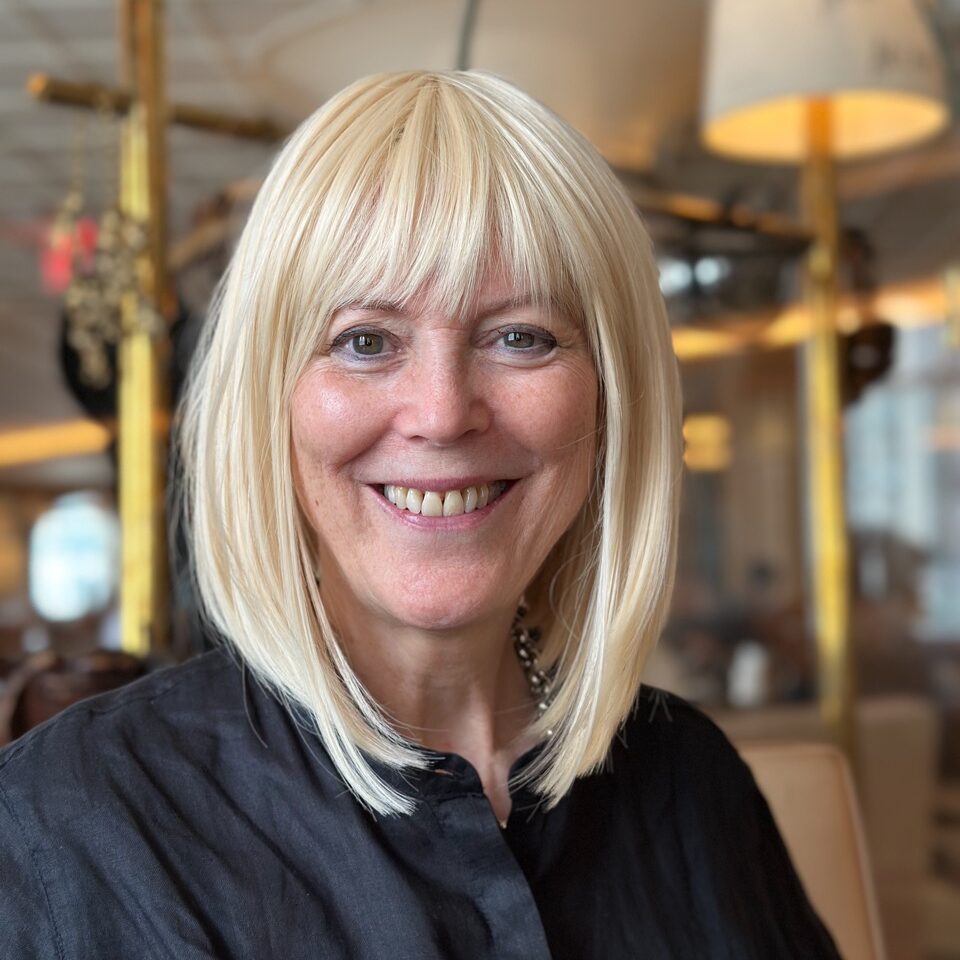
Katherine Morris
M.A., Ph.D.
Teaching and Professional Development
Dr. Morris served as Adjunct Professor of Psychology at New Jersey City University and has presented at numerous professional conferences including the Psychotherapy Networker Symposium and Jung Society of Washington. She has provided continuing education training for psychiatrists, psychologists, and social workers through the Annual Whole Psychiatry Education Series.
Publications and Media
Dr. Morris has published extensively on environmental psychology and the integration of Feng Shui principles with psychiatric practice, including her dissertation “A Phenomenological Study of Psychiatrists’ Offices from a Depth Psychological Perspective through the Lens of Feng Shui.” She hosted the internet radio show “If These Walls Could Talk” on Voice America, featuring weekly hour-long broadcasts on the psychological influence of built environments.
Consulting Background
Dr. Morris founded and operates Feng Shui Psychology Consulting, serving as a consultant to businesses and residents on the psychological impact of the environment on behavior, thinking, and interactions. Her groundbreaking work bridges Eastern Feng Shui principles with Western psychological theory and practice, including project-managing office transformations and conducting comprehensive psychological assessments of physical work environments.